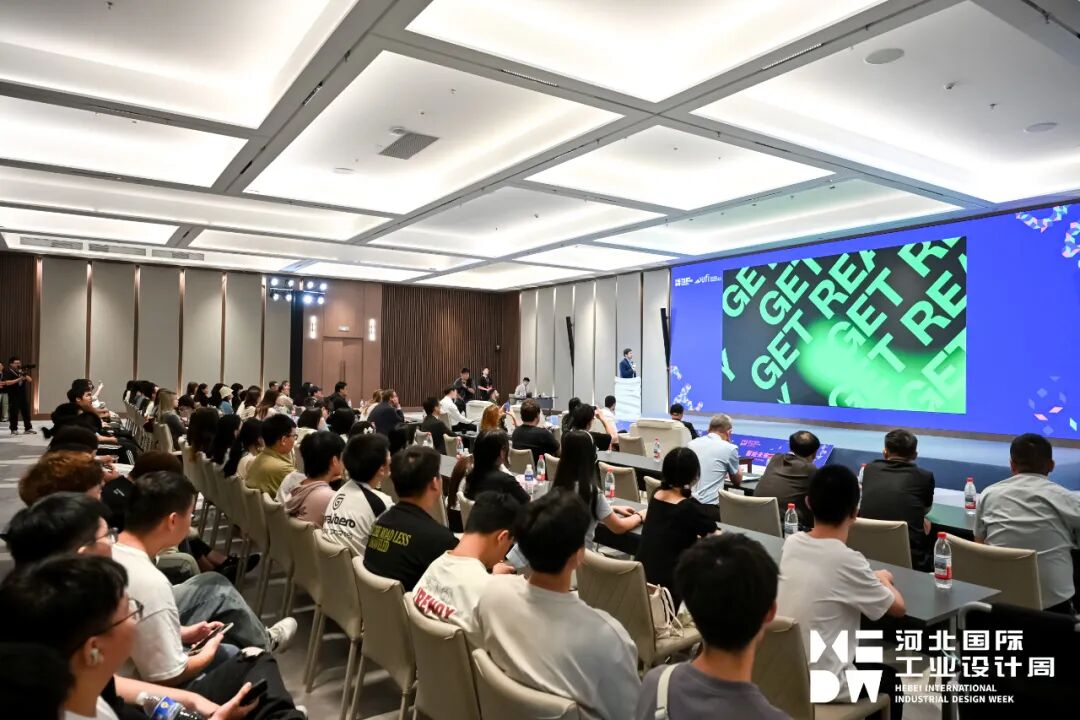
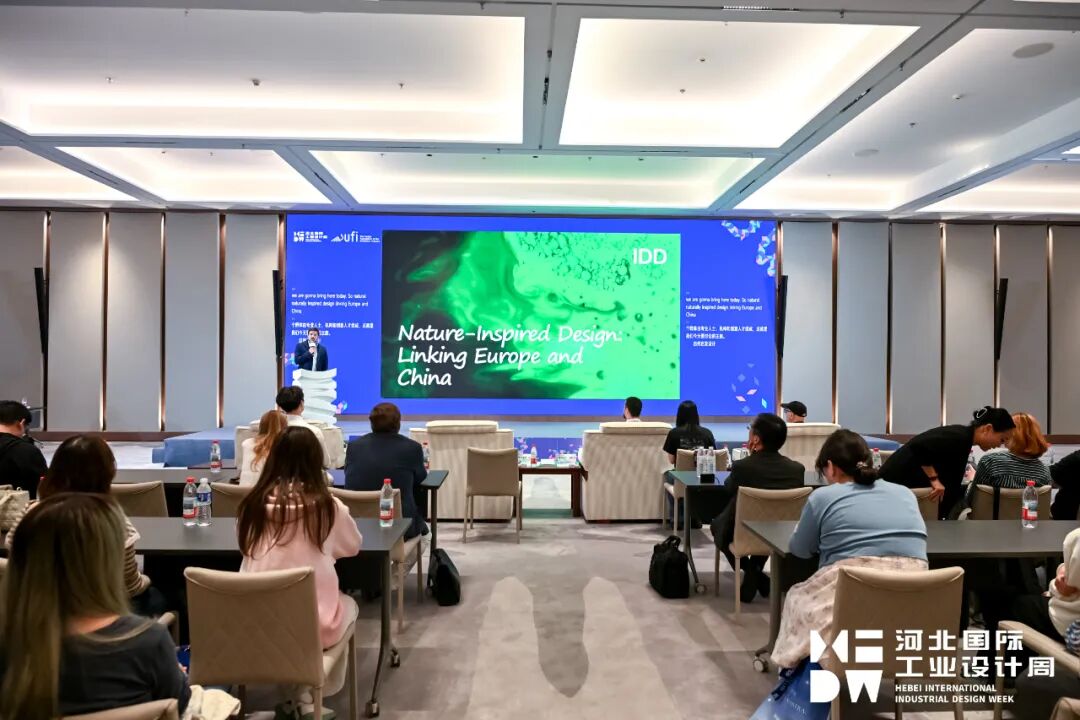
Design Master Talks | Vittorio Ceccato: "Nature-Inspired Design: Bridging Europe and China"
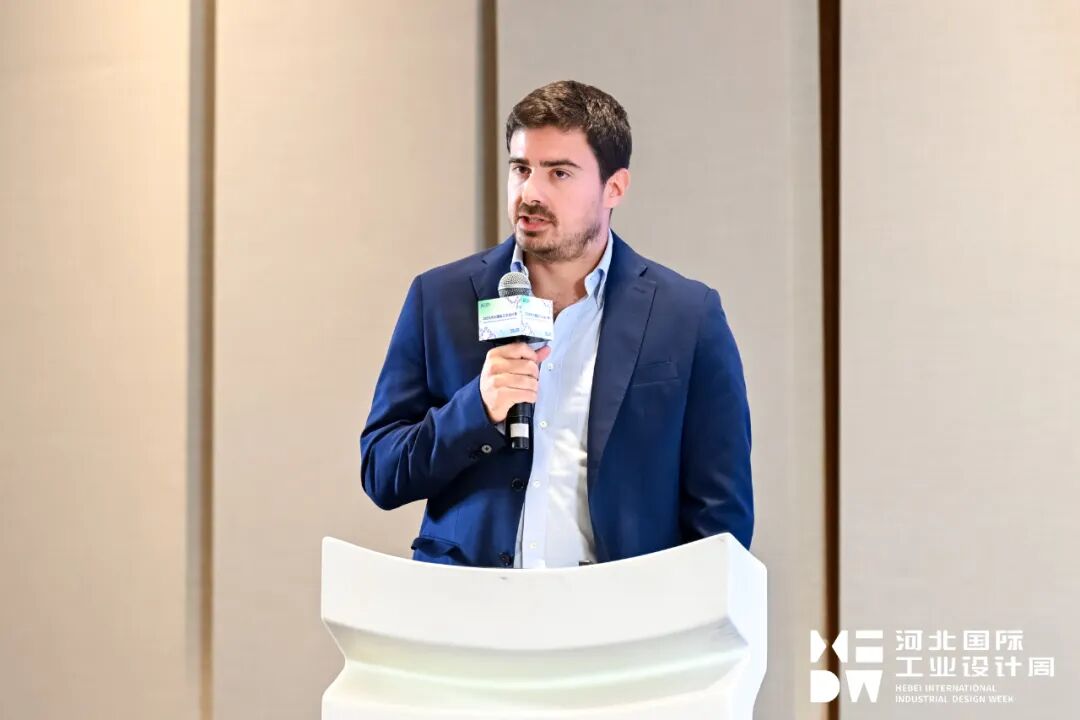
At the Italian Design Matchmaking Session of the 2025 Hebei International Industrial Design Week, Vittorio Ceccato, Chief Strategy Officer and Vice President of IDD Footwear Design in Italy, brought the artistic flair and business insight of the Mediterranean to deliver an in-depth talk on "Nature-Inspired Design: Bridging Europe and China." As a design powerhouse that has served the world's top sports brands, IDD has proven over 20 years that true design is not about chasing trends, but about creating a "language system" that enables brands to transcend cycles.
The Boom and Hidden Worries of the Billion-Dollar Footwear Market
China Is Rewriting Global Rules
At present, the footwear market is showing steady growth. In 2024, the global footwear market reached USD 457 billion and is expected to approach USD 600 billion by 2030. China's footwear market has performed remarkably, reaching USD 67 billion in 2023, ranking among the top globally. However, despite the continued upward trend of the global footwear market, the industry faces serious problems: blindly chasing trends and indulging in the short-lived frenzy of "viral styles" is like sailing in a storm without a compass—losing direction.
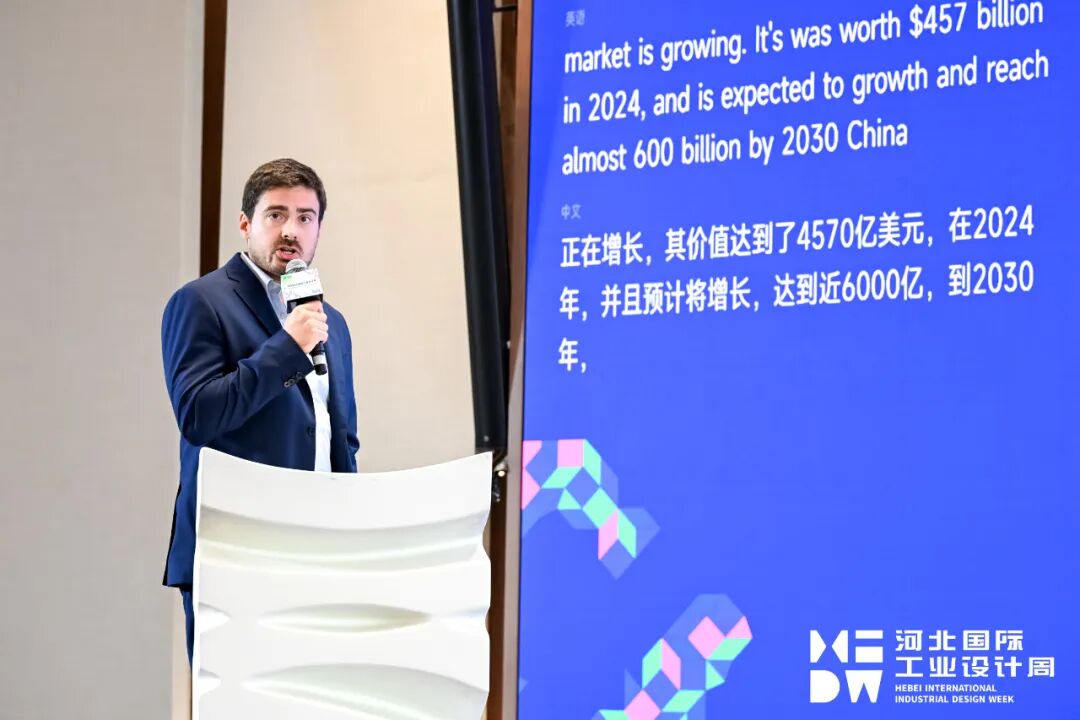
In Vittorio Ceccato's view, the transformation of the Chinese market is particularly striking: "Ten years ago we talked about 'Made in China'; today we must say 'Created in China'." The "Pride of China" movement driven by the younger generation has raised higher expectations for products. Products must not only embody "national trend aesthetics" but also meet the multi-scenario needs of working mothers who "commute to work and can run after kids"—this fusion of cultural confidence and pragmatism is reshaping global design logic.
Learning Design from Nature
IDD's Anti-Trend Survival Rule
"Why have Italian leather shoes lasted for a century? Because they are like old trees, with roots deeply embedded in the soil." Vittorio showed a short video illustrating IDD's unique design approach. Designers use microscopes to observe leaf vein patterns, transform the honeycomb structure of volcanic rock into sole cushioning systems, and incorporate the iridescent principles of butterfly wings into upper craftsmanship. Nature is not a decorative source of inspiration, but a gene bank for design—this is the confidence behind IDD's rejection of "fast-fashion short-lived design."
In the European luxury market, this philosophy has already been fully validated: consumers no longer pay for logos, but instead seek "invisible refinement." Vittorio gave an example: a sports brand transformed the curves of the Alps into a side-support structure for shoes, satisfying both athletic functionality and the emotional value of "mountain aesthetics." This fully demonstrates that true innovation is about letting technology converse with nature, and letting the product tell its own compelling story.
When Craft Heritage Meets the Digital Ecosystem
The Golden Intersection of Chinese and European Design
"Europe has the patience of craftsmen spending three years perfecting a single last; China has the speed of implementing a digital supply chain in three months—combining the two creates a nuclear-level innovation." Vittorio believes that the key to globalisation for Chinese brands lies in three dimensions:
Cultural translation: Skillfully integrating traditional Chinese cultural elements into footwear design. For example, turning the crackle pattern of blue-and-white porcelain into woven textures on the upper, or drawing inspiration from mortise-and-tenon structures for detachable heel designs, making products both culturally rich and creative.
Technology integration: Using advanced technologies to solve design challenges. For instance, adopting IDD's self-developed "Relief" flexible support system to solve the "high-heel comfort paradox," enhancing both comfort and practicality.
Sustainable storytelling: Emphasising the embodiment of environmental concepts in products. From using mycelium materials to plant-based dyes, sustainability is transformed from an abstract concept into a tangible product experience for consumers, meeting the demand for sustainable products.
In Vittorio Ceccato's view, "Design is not about drawing beautiful blueprints; it is about planting a tree in consumers' minds that will grow. Chinese brands do not need to imitate the West; the soil of your culture is already nurturing new species of future design."